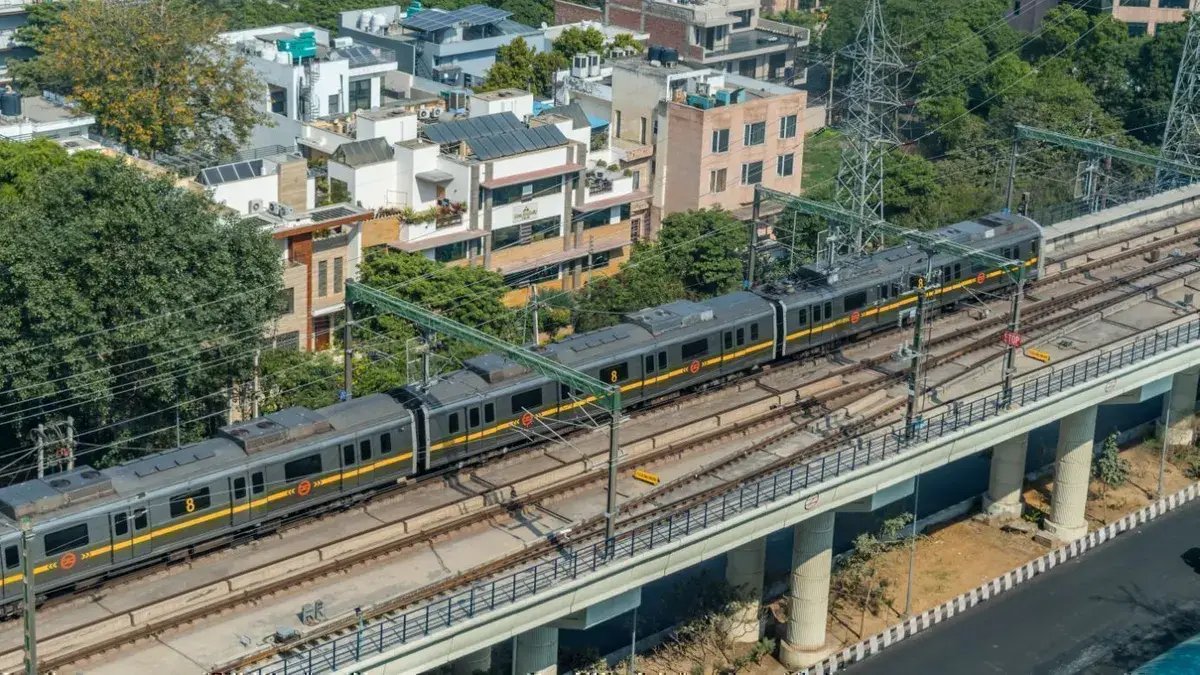
How Metro Phase 4 and Rapid Rail Will Shift Property Demand in Gurgaon by 2030
Gurgaon has always grown in sync with infrastructure upgrades, but what’s coming next is on a completely different scale. With Gurgaon Metro Phase 4 and the Delhi-Gurgaon Rapid Rail project moving into high gear, the city is preparing for a transformation that will redefine how people live, commute, and invest. By 2030, Gurgaon isn’t just expected to expand it’s expected to evolve into a more connected, more accessible, and more valuable urban powerhouse.
If you're someone keeping an eye on where property demand is headed, you’re in the right place. Both projects are set to rewrite market patterns across multiple sectors, boosting everything from affordability to rental yields and long-term appreciation across the city. Let's break it all down.
A New Mobility Era for Gurgaon
The urban landscape of Gurgaon has always revolved around business hubs, expressways, and premium residential pockets. But with Metro Phase 4 and the Rapid Rail system, mobility itself will become the city’s biggest growth engine.
Why These Two Projects Matter
- They drastically cut down Delhi-Gurgaon-Manesar travel time.
- They connect underdeveloped pockets that were previously “too far.”
- They trigger demand in areas that were once slow-moving.
- They push up property prices through improved accessibility.
If infrastructure is the heartbeat of real estate, then Gurgaon’s pulse is about to get much stronger.
Understanding Gurgaon Metro Phase 4
Metro Phase 4 isn’t just an extension it’s a complete expansion blueprint designed to bring Gurgaon’s internal connectivity to the next level. The project will integrate several prime and emerging locations, reducing travel time from one end of the city to another dramatically.
Major Highlights
- Multiple new stations across New Gurgaon and Southern Gurgaon
- Direct links to commercial hubs, residential societies, and transport nodes
- Seamless integration with existing Yellow Line and Rapid Rail
- Better last-mile connectivity for workplaces, malls, and residential pockets
For a city that’s growing vertically and horizontally, this metro expansion means residents will finally have more than road travel as an option.
The Delhi-Gurgaon Rapid Rail (RRTS): A Game Changer
The Delhi-Gurgaon-Alwar Rapid Rail corridor is another major development turning heads. The RRTS is designed to make intercity travel lightning-fast, bringing Gurgaon closer to Delhi than ever before.
What Makes the Rapid Rail So Important?
- Faster travel from Sarai Kale Khan to Gurgaon
- High-capacity trains ideal for daily commuters
- Boost in demand for housing near RRTS stations
- Improved connectivity for both office-goers and long-distance travellers
The Rapid Rail will act like a magnet for both investment and residential demand especially for people working in Delhi but wanting to live in Gurgaon’s modern, premium environments.
How These Projects Will Shift Property Demand in Gurgaon
1. Boost in Property Prices Near Metro & Rapid Rail Stations
Infrastructure always drives appreciation, and this time is no different. Areas near upcoming metro and RRTS stations are already witnessing upward movement in land and housing prices.
Expected Benefits
- Higher resale value
- Faster transaction cycles
- Lower vacancy rates
- Increased rental potential
Think of it like this: if today’s underpriced corners become tomorrow’s prime corridors, early buyers stand to gain the most.
2. New Gurgaon Becomes the New Investment Epicenter
New Gurgaons especially sectors along Dwarka Expressway, NH-48, and sectors 76-95 will see massive benefits from improved public transport.
Why?
- Metro access makes it easier for people to live farther from central Gurgaon
- New Gurgaon becomes an ideal place to buy flat in Gurgaon at lower prices
- Large integrated townships will rise in demand
- More interest in mid-segment and premium units
For anyone looking at property in Gurgaon for long-term growth, this region is a no-brainer.
3. Rental Demand Will Skyrocket in Key Corridors
Professionals love staying close to transit points because it saves time, money, and effort. With new connectivity, rental hotspots will shift into emerging sectors.
Rental-Friendly Locations (Projected by 2030)
- Sectors 36-37 (Global City zone)
- Sectors 81-95 (New Gurgaon belt)
- Sectors along SPR and Sohna Road
- Sectors 102-113 (Dwarka Expressway)
The more accessible an area becomes, the more tenants it attracts. And that means higher yields for landlords.
4. Commercial Demand Will Rise Near Metro Stations
It’s not just residential markets that benefit commercial hubs do too. Office spaces near Metro Phase 4 and Rapid Rail stations will command premium rents because companies prefer employee-friendly access.
Expected Outcomes
- New business districts forming along metro routes
- Increase in coworking spaces near stations
- Rise in demand for mixed-use developments
This will strengthen the value of luxury houses in Gurgaon and high-end apartments that offer quick commute options for corporate professionals.
5. Southern Gurgaon (Sohna) Will Finally Get Its Due
For years, Sohna and South Gurgaon have been “developing,” but not quite catching up with central Gurgaon. Metro Phase 4 changes that story completely.
Projected Transformations
- Higher demand for budget and mid-segment housing
- Growth in demand for villa communities
- Better connectivity to workplaces on GCER, SPR, and Cyber City
- More schools, malls, and commercial hubs entering the region
If you’ve been eyeing villas in Gurgaon or want a quieter lifestyle within budget, Southern Gurgaon is where the future lies.
6. Greater Demand for Luxury Projects
Infrastructure boosts always trigger premium development. The same will happen here with high-end builders launching new:
- Luxury apartments
- Smart home residences
- High-rise gated communities
- Premium villas
Think Golf Course Extension Road 10 years ago Metro Phase 4 and Rapid Rail will create similar transformations along their routes. Buyers looking for luxury flats in Gurgaon will gain better choices and stronger appreciation.
7. Investors Will Move Early into Undervalued Sectors
The real winners are those who invest before the infrastructure becomes fully operational. Prices rise gradually during construction, then spike once the metro lines open.
Undervalued Sectors with High Potential
- Sectors 37C-37D
- Sectors 89-95
- Sectors around Manesar
- Outer sectors along SPR and Sohna Road
- Sector 112-113 along Dwarka Expressway
Conclusion
The arrival of Gurgaon Metro Phase 4 and the Delhi-Gurgaon Rapid Rail marks a new chapter for the city’s real estate landscape. Together, these projects will redefine mobility, convenience, and growth potential across old and new sectors. From faster commuting to higher demand for premium living, the impact will be felt across every segment residential, commercial, rental, and investment.
For homebuyers looking to buy flat in Gurgaon, or investors exploring smart opportunities, this infrastructure wave represents a rare chance to get in before prices soar. And by 2030, Gurgaon’s property market is expected to look dramatically different — more accessible, more connected, and more desirable than ever.
FAQs
1. Which areas in Gurgaon will benefit the most from Metro Phase 4?
Sectors along SPR, New Gurgaon, and Sohna Road will see the highest appreciation due to improved connectivity.
2. Will Rapid Rail significantly impact property demand?
Yes. It will attract working professionals who want seamless Delhi-Gurgaon travel, boosting both sales and rentals.
3. Is it a good time to invest in emerging sectors near metro lines?
Absolutely. Early investments see the strongest gains as infrastructure gets closer to completion.
4. How will the metro expansion affect rental yields?
Areas close to stations will experience higher rental demand and stronger returns for property owners.
5. Will luxury real estate also benefit from these projects?
Yes. Premium buyers prefer excellent connectivity, making luxury high-rises and villas even more desirable.